
Property value is often talked about as if it moves in big, visible moments. Market shifts. Renovations. Neighborhood trends. But a large part of long-term property value is shaped much more quietly.
It happens through daily use. Through climate. Through small, repeated stress on systems that were never designed to rest.
In Las Vegas, that pressure is constant. Heat, water use, and wear do not show up all at once. They build over time. And when they are underestimated, they tend to surface later as performance issues rather than obvious damage.
Heat Is Not Just Weather. It Is a System Stress Test.
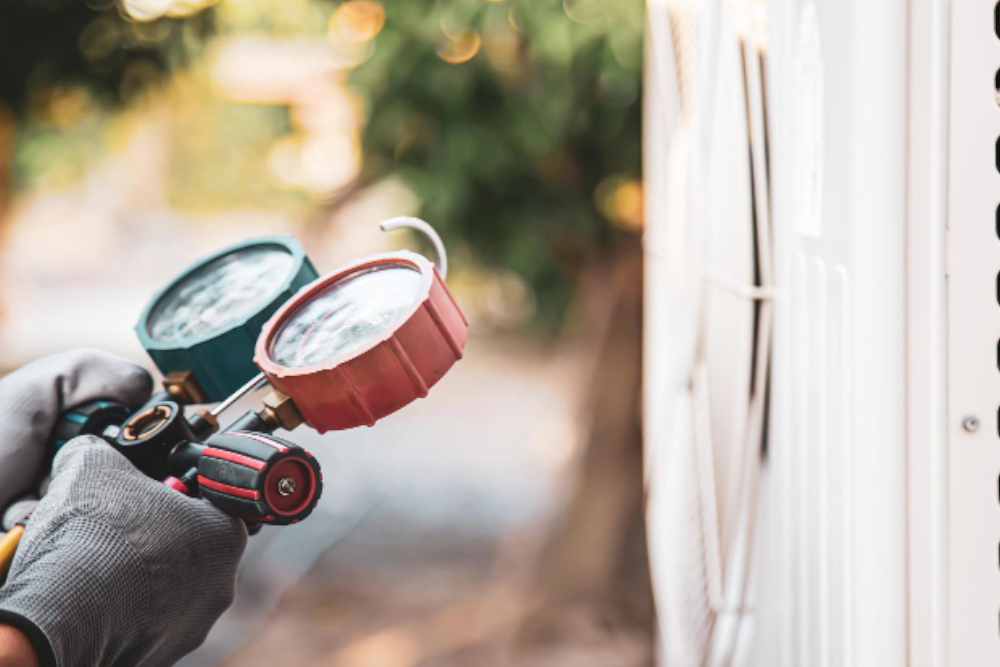
In many markets, weather is a background factor. In Las Vegas, it is operational. Air conditioning systems run for extended periods. Materials expand and contract repeatedly. Exterior surfaces absorb heat day after day.
This kind of exposure does not just affect comfort. It affects longevity.
Small inefficiencies in cooling systems become larger problems faster. Components wear out sooner. Energy costs increase.
That is why understanding how extreme heat affects Las Vegas rental properties becomes less about comfort and more about asset protection over time.
Water Use Is Subtle, But Persistent
Water does not create the same immediate pressure as heat, but its impact is just as consistent.
Plumbing systems are under steady use. Irrigation systems run regularly. Minor leaks often go unnoticed longer than they should.
The issue is not usually a single failure. It is accumulation.
- A slow leak behind a wall
- Inefficient fixtures increasing usage
- Outdoor systems running longer than necessary
Individually, these seem manageable. Over time, they contribute to higher costs and gradual deterioration. Water-related wear rarely feels urgent until it becomes expensive.
Wear Happens Where You Stop Looking
Wear is expected in rental properties. It is part of the business. But not all wear is equal.
High-traffic areas degrade faster. Appliances lose efficiency. Finishes begin to show age. Systems operate slightly less effectively with each cycle.
The challenge is not recognizing wear. It is tracking it before it becomes a problem.
Without a clear system, wear tends to be addressed only when it becomes visible or disruptive.
At that point, it is no longer maintenance. It is repair.
Maintenance Timing Shapes Long-Term Value

The difference between maintaining value and losing it often comes down to timing. Addressing issues early keeps systems running efficiently. Waiting shifts the cost curve.
- A small HVAC adjustment becomes a replacement
- A minor plumbing issue becomes structural damage
- Routine servicing becomes emergency intervention
This is where many owners begin to see how maintenance scheduling improves rental property performance, not just by reducing breakdowns, but by preserving system life.
Timing does not eliminate costs. It controls how they appear.
Inspections Turn Guesswork Into Strategy
Without inspections, maintenance decisions rely on assumptions. Things seem fine. Systems are working. Tenants are not reporting issues. But hidden problems tend to stay hidden until they are expensive.
Regular inspections change that dynamic.
They reveal patterns. They highlight areas of stress. They allow decisions to be made before systems fail.
This is why many owners rely on how regular property inspections help prevent costly repairs, especially in environments where heat and usage accelerate wear.
Inspections are not about finding problems. They are about finding them early.
Efficiency Is Not Just About Utility Bills
Energy and water efficiency are often framed as cost-saving measures.
They are. But they also play a role in long-term property performance.
- Efficient systems experience less strain.
- Modern fixtures reduce unnecessary usage.
- Improved insulation stabilizes internal conditions.
These factors reduce wear across the property.
This aligns with how eco-friendly upgrades support long-term property performance, where efficiency improvements translate into fewer repairs and more stable operation.
In Las Vegas, where systems operate under constant pressure, efficiency tends to compound over time.
Technology Helps Catch What You Cannot See
Smart home technology is often discussed in terms of convenience. But its role in property management is expanding.
- Leak detection systems can identify water issues early.
- Smart thermostats can regulate usage more efficiently.
- Monitoring tools can flag irregular system behavior.
These tools provide visibility.
They do not replace inspections or maintenance. But they reduce the gap between problem and awareness. Over time, that gap is where many costs originate.
Solar and Infrastructure Choices Matter More Over Time
Some upgrades are easy to evaluate. Others show their value gradually.
Solar systems, for example, often start as a cost-saving or sustainability decision. But they also reduce long-term strain on energy systems and operating costs.
In a market like Las Vegas, where energy demand is high, these choices can influence both performance and appeal.
This connects with how solar improvements affect rental property efficiency in Las Vegas, particularly when viewed over multiple years instead of immediate returns.
Long-term value is often shaped by decisions that do not feel urgent in the moment.
The Investment Perspective Becomes Clear Over Time
At first, these factors can feel like details. Heat, water use, wear. Each one manageable. Each one easy to address later.
But over time, they begin to interact. Systems degrade faster. Costs become less predictable. Tenant experience becomes less consistent.
This is where the concept of long-term property value in Las Vegas rentals becomes more practical than theoretical.
Value is not just what a property could sell for. It is how consistently it performs while you own it.
Property Managers See Patterns Earlier
Property managers operate across multiple properties, which makes patterns easier to spot.
They see which systems fail under heat stress. Which properties experience repeated water issues. Which maintenance schedules actually prevent problems.
More importantly, they see how these factors affect tenants.
A property that feels consistently maintained tends to retain tenants longer. A property that feels reactive tends to create turnover.
These patterns are rarely obvious in a single property. They become clear over time.
A Final Thought Before “It Still Works Fine”
Most long-term issues start with a simple observation. “It still works.” And in many cases, that is true.
But in Las Vegas, where environmental pressure is constant, systems that “still work” are often already under strain.
Waiting does not always create immediate problems. It often shifts problems into the future, where they are larger and more expensive.
At Brady Realty Group, we approach property performance as a long-term system, not a series of isolated decisions. That perspective helps protect value, reduce volatility, and keep rental properties performing consistently over time.
FAQs
How does heat affect rental properties in Las Vegas?
A: Extreme heat puts stress on HVAC systems, materials, and overall property performance.
Does water usage impact property value?
A: Yes. Leaks, inefficiencies, and overuse can lead to higher costs and long-term damage.
Why is wear and tear important for property value?
A: Unmanaged wear reduces system efficiency and increases repair costs over time.
Can maintenance improve long-term property value?
A: Yes. Consistent maintenance helps preserve systems and reduce unexpected expenses.
Are upgrades worth it in Las Vegas rentals?
A: Functional upgrades that improve efficiency and durability often provide long-term value.