
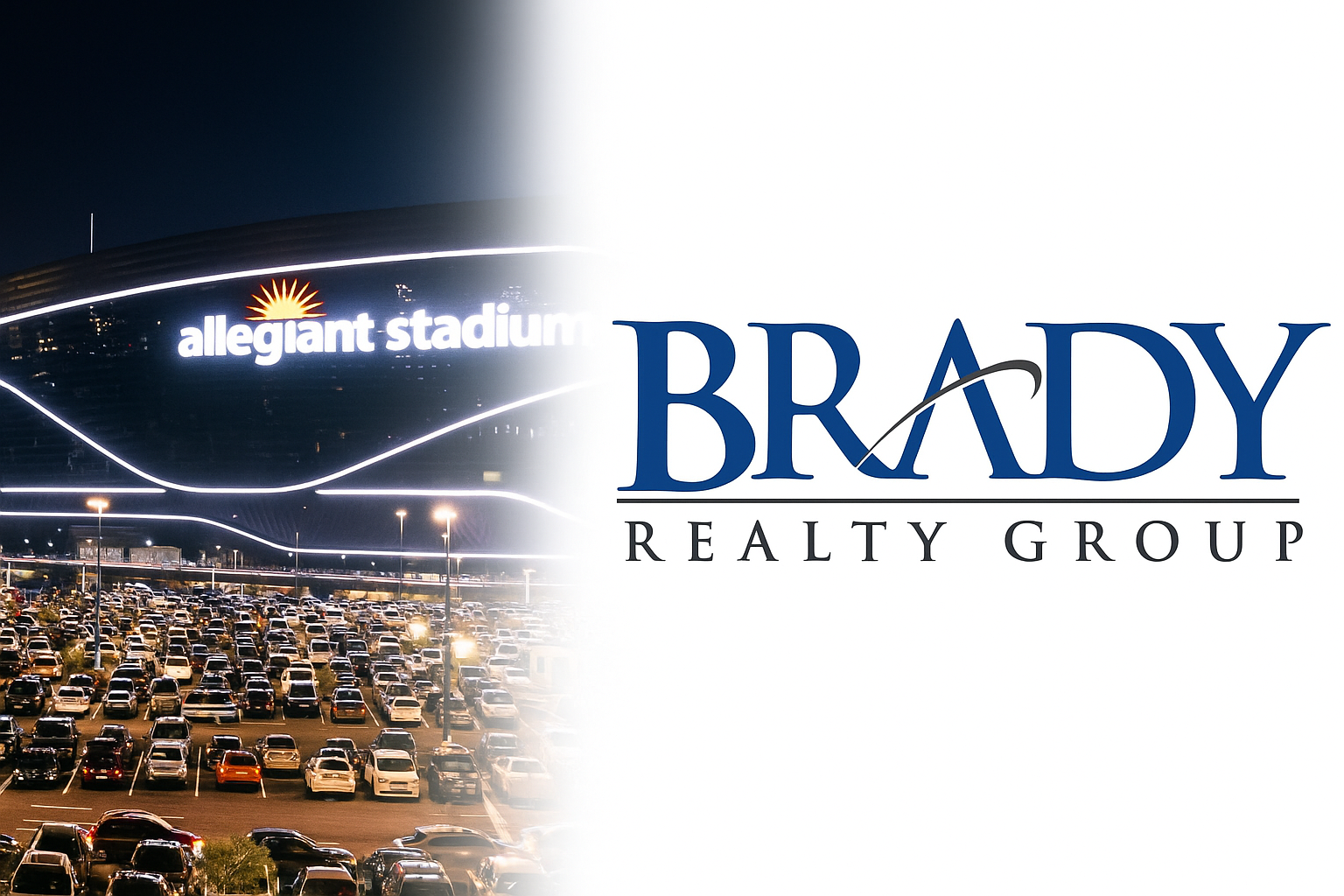
It’s hard to ignore the buzz that Las Vegas is having a moment. And not just any moment, one that’s reshaping its rental landscape. Between the booming sports scene, year-round entertainment, and a steady wave of newcomers, rental demand in the city has hit an exciting, sometimes chaotic rhythm.
It used to be all about the casinos and conventions. Now? It’s the Raiders, the Golden Knights, and possibly the A’s (if that stadium deal finally sticks). Each new arena or concert residency seems to come with a fresh batch of renters, short-term, long-term, or somewhere in between. And landlords are starting to realize: this isn’t a passing trend. It’s a fundamental shift in how people live and move through Las Vegas.
The Sports Effect: More Than Just Game Days
When Allegiant Stadium opened, locals noticed something immediately: traffic wasn’t the only thing that spiked. Rentals around the area started moving faster, especially furnished ones. Seasonal tenants, coaches, event staff, and sports media began looking for flexible lease options near major sports venues. It’s not unusual now for a one-bedroom within a few miles of the Strip to be booked out months in advance, just around key game dates or major events like the Super Bowl or Formula 1.
Property managers have had to adapt quickly. Many now specialize in short-term stays that cater to sports-related tenants, offering flexible leasing terms, maintenance-on-demand, and digital booking tools. A well-managed property isn’t just convenient, it’s often the deciding factor for professionals juggling travel schedules.
This overlap between tourism, entertainment, and housing has also started affecting rental property turnover days in Las Vegas. Properties with modern amenities and quick maintenance response times are seeing shorter vacancy periods, partly because renters from the sports and events world move fast, literally.
Entertainment Never Sleeps (and Neither Do the Rentals)
Entertainment has always been the heartbeat of Las Vegas, but it’s evolved. Residencies by artists like Adele and U2 draw visitors who stay longer than a weekend. These are high-spending guests who want more than a hotel suite; they want a home-like experience. That’s where Las Vegas short-term rental properties come into play.
The city’s new focus on quality tourism means the Airbnb landscape is shifting too. Recent Las Vegas short-term rental laws have tightened what’s allowed and where. Some owners have struggled to keep up with permits and compliance, which has opened the door for professional property managers to step in and handle the complexity.
Good management companies balance legality and profitability, helping landlords stay compliant while still attracting top-tier guests. Those who’ve tried the DIY route often find the rules a little too fluid for comfort.
The Ripple Effect on Neighborhood Demand
The sports and entertainment boom hasn’t just inflated demand around the Strip. Suburbs like Henderson, Summerlin, and Spring Valley are feeling it too. These areas offer proximity without the chaos, and tenants, especially professionals tied to the entertainment and sports industries, are taking notice.
Henderson, for instance, has become a hotspot for production staff and athletes seeking privacy but wanting to stay close to major facilities. Meanwhile, Summerlin’s luxury apartments appeal to those who crave quiet but still want quick access to arenas and nightlife.
As this demand spreads outward, property values follow. Investors looking at waterfront investment properties near Lake Las Vegas or golf course communities are finding strong returns thanks to the steady rotation of tenants connected to the entertainment sector. It’s less about luck now and more about location strategy.
Corporate Demand Is Quietly Rising Too
Not every renter in Vegas is here for the show. Many are here because the show never ends; the constant stream of conventions, tournaments, and trade shows fuels a huge demand for corporate housing.
Corporate rentals in Las Vegas have become one of the city’s most stable rental segments. Companies regularly bring in staff for training, extended projects, or event coordination, and they need fully furnished, move-in-ready spaces. This ties directly into the city’s events ecosystem and keeps vacancy rates low even when tourism dips.
Owners who want to tap into that stability often partner with experienced property managers. They handle bookings, cleaning, and tenant transitions while optimizing listings for the right kind of corporate guest. Without that professional oversight, it’s easy to miss the sweet spot between nightly rates and occupancy consistency.
Investment or Speculation? A Bit of Both
There’s no denying the financial potential in Las Vegas rentals right now, but not all that glitters is gold. For every success story, there’s a cautionary tale about an owner who bought at the peak and couldn’t keep up with maintenance, marketing, or shifting regulations.
The city’s rapid growth also means competition is fierce. It’s not enough to just have a great property anymore; presentation, amenities, and responsiveness make or break profitability. That’s why many landlords are relying on property managers who can streamline tenant communications, coordinate repairs, and even reduce rental property turnover days by keeping renters happy and staying ahead of issues.
What the Next Few Years Could Look Like

With the city set to host even more large-scale events, the Super Bowl again, expanded F1 races, and new music residencies, the outlook for rental demand looks strong. But it may also become more segmented. Short-term luxury stays will thrive near the Strip, while longer-term professional rentals might spread toward the quieter suburbs.
At the same time, the regulatory environment is likely to keep evolving, especially around Las Vegas Airbnb regulations and short-term rental limits. Those who stay informed, flexible, and well-managed will continue to do well. Those who don’t may find the city’s excitement comes with a few too many surprises.
A Practical Takeaway
Las Vegas will probably always reinvent itself , that’s its charm and its challenge. The sports and entertainment boom has added a new dimension to rental demand, one that rewards adaptability and professional oversight.
For property owners trying to decide how to position their rentals, it helps to think beyond nightly rates. Who’s your real audience , concert crews, athletes, corporate travelers, or long-term locals looking for convenience near all the action? Answering that shapes everything from pricing to amenities to how your property is managed.
At Brady Realty Group, we’ve watched this transformation up close. We know what renters are asking for, and more importantly, why. If you’re ready to explore how your property can fit into this fast-moving market, we’d love to help you make sense of it all , and maybe even make it work better for you.
FAQs
1. How are sports events affecting rental demand in Las Vegas?
A: Major teams and events have created seasonal spikes in rental demand, especially for short-term and furnished leases near arenas and the Strip.
2. Which Las Vegas neighborhoods are seeing the biggest rental growth?
A: Areas like Henderson, Summerlin, and Spring Valley are seeing strong demand from sports, entertainment, and corporate renters seeking quieter, accessible neighborhoods.
3. Are short-term rentals still profitable in Las Vegas after new regulations?
A: Yes, but compliance is key. Working with a property manager can help navigate Las Vegas short-term rental laws and maintain profitability.
4. What types of renters are moving into the Las Vegas market right now?
A: A mix of sports professionals, event staff, corporate travelers, and high-spending tourists seeking temporary housing.
5. How can property managers help landlords adapt to these changes?
A: They handle legal compliance, marketing, maintenance, and tenant turnover efficiently, which is essential in a fast-paced market like Las Vegas.