
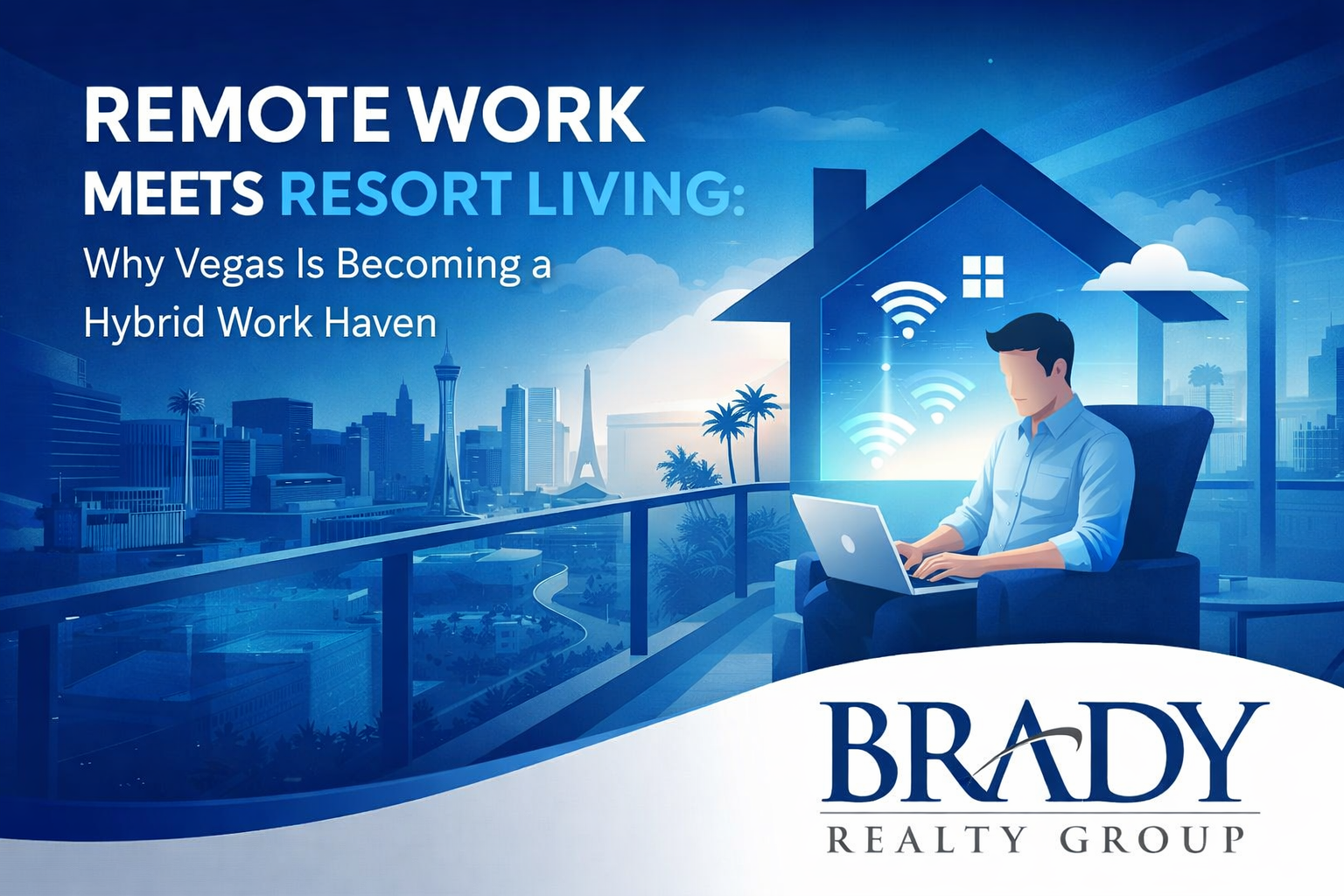
Remote work did not quietly slip into our lives. It kicked the door in, moved the furniture around, and then stayed longer than anyone expected.
At first, it was framed as temporary. A laptop at the kitchen table. A few Zoom calls. Sweatpants disguised as professionalism. Then weeks turned into months. Months into years. And somewhere along the way, people realized they were no longer tied to a specific zip code.
That realization changed cities. And Las Vegas noticed.
For a long time, Vegas had a reputation that was narrow. Bright lights. Big weekends. Short stays. But remote work cracked that image open. What emerged is something more interesting. A city that blends flexibility, lifestyle, and livability in ways that suddenly make sense for people who work from home, part time or full time.
This is where remote work Las Vegas stops sounding like a novelty and starts feeling like a practical decision.
Why Remote Workers Started Looking at Vegas Differently
Remote work created a strange kind of freedom. Not unlimited freedom. Just enough to ask new questions.
- Do we really need to live near the office?
- What does “home” look like if work fits into life instead of the other way around?
- And why are we paying premium prices for cities that no longer offer premium flexibility?
Las Vegas started checking boxes quietly.
- No state income tax.
- Relatively affordable rents compared to coastal hubs.
- Modern housing stock.
- An airport that makes travel easy without being exhausting.
- And a lifestyle that does not apologize for enjoying itself.
For many remote professionals, especially those burned out by dense, high cost markets, Vegas felt like a reset button that did not require sacrificing comfort.
This shift fueled demand for work-from-home rental Las Vegas options that go beyond short-term stays and novelty condos.
Hybrid Work Changed What Renters Actually Need
Hybrid work deserves its own category. It is not fully remote. It is not office-bound. It is somewhere in between. And it shapes housing preferences in very specific ways.
People want space, but not excess.
- They want quiet during the week, access on the weekends.
- They want reliable internet more than a view, though a view does not hurt.
- They want rentals that feel stable, not temporary.
This is where Vegas quietly stands out.
Many properties here already include layouts that work for hybrid schedules. Spare bedrooms that function as offices. Open floor plans with natural light. Townhomes and single-family rentals that provide separation between work and downtime.
A well-positioned work-from-home rental Las Vegas property is not flashy. It is functional. And function is what remote workers stick with.
The Appeal Goes Beyond the Strip
Most people who move to Las Vegas for hybrid work do not live near the Strip. That detail matters.
Neighborhoods like Summerlin, Henderson, and parts of North Las Vegas attract renters who want predictability and quiet during the week, with easy access to entertainment when they want it.
This balance is appealing to professionals who work remotely but still enjoy being social. You can log off at five and attend a show at eight. You can host a client Zoom call in the morning and hike Red Rock Canyon in the afternoon.
It feels balanced. Not forced. And that balance is a big reason digital nomads Las Vegas housing demand keeps growing.
Digital Nomads Are Staying Longer Than Expected
Digital nomads used to move fast. One city. One lease. One exit plan.
That pattern is changing.
Vegas attracts nomads who want to slow down without settling permanently. They want six to twelve months. Sometimes longer. They want rentals that feel lived-in, not transitional.
This creates an opportunity for property owners. But only if expectations are managed correctly.
Nomads value flexibility, but they also value structure. Clear lease terms. Responsive maintenance. Reliable utilities. Quiet neighbors. All the boring things that become very important once novelty wears off.
This is where professional property managers tend to matter more than owners expect. They help set expectations early, manage communication, and keep small issues from turning into reasons to move again.
Infrastructure Matters More Than Vibes
Lifestyle attracts people to Las Vegas. Infrastructure keeps them here.
Remote workers depend on stable internet, consistent utilities, and reliable services. Vegas delivers on those basics better than many people realize.
It is also built for growth. New developments. Expanding communities. Updated rental inventory. Compared to older cities with aging infrastructure, Vegas feels adaptable.
That adaptability matters for hybrid work renters who cannot afford disruptions during the workweek. A power outage is not just an inconvenience. It is a missed meeting. A delayed project. A professional problem.
Well-managed properties minimize those risks. And that is part of what keeps renters renewing leases instead of restarting the search.
What Property Owners Are Learning the Hard Way

Not every rental automatically appeals to remote workers.
Properties without dedicated workspace struggle. Units with poor sound insulation struggle. Homes that look great but function poorly struggle.
Owners sometimes assume demand will solve everything. It does not.
Remote and hybrid renters are thoughtful. They compare. They calculate. They leave when something feels misaligned.
Property managers often help owners adjust before problems surface. Pricing strategy. Amenity positioning. Maintenance timing. Lease structure. These details quietly shape tenant experience.
And tenant experience determines how long people stay.
Vegas Is Not a Shortcut City Anymore
There is a lingering idea that people move to Vegas temporarily. For fun. For escape. For something short-lived.
Remote work disrupted that idea.
People now move here intentionally. With plans. With routines. With expectations. They want rentals that support real life, not just good weekends.
That is why remote work Las Vegas continues to grow as a serious housing segment. Not because Vegas changed overnight, but because the way people work did.
What This Means for the Rental Market Going Forward
Hybrid work is not fading. It is stabilizing.
That stability favors markets that can support long-term renters who value lifestyle without chaos. Vegas fits that profile better than many expected.
Expect continued demand for rentals with office space. Expect longer average lease terms. Expect renters who treat properties as homes, not pit stops.
And expect competition to increase among owners who want to attract this segment without understanding it.
Professional property management often becomes a differentiator here. Not because owners cannot manage themselves, but because consistency matters more than effort.
A Thought Before You Decide
Las Vegas is no longer just a place people visit. It is a place people build routines. Careers. Workweeks.
For renters, it offers flexibility without sacrificing comfort.
For owners, it offers opportunity without chaos.
For both, it rewards alignment over hype.
If you are exploring how hybrid work trends fit into your rental strategy, we believe clarity matters more than speed. At Brady Realty Group, we look at how properties actually function for modern renters, not just how they look on paper. When things align, the results tend to last.
FAQs
Is Las Vegas a good city for remote work?
A: Yes. Strong infrastructure, affordable rentals, and flexible lifestyle options make it attractive for remote and hybrid professionals.
What type of rentals do remote workers prefer in Las Vegas?
A: Properties with dedicated office space, reliable internet, and quiet neighborhoods tend to perform best.
Are digital nomads staying longer in Las Vegas?
A: Many are. Longer lease terms are becoming more common as nomads seek stability without permanence.
Does hybrid work affect rental pricing in Vegas?
A: It can. Rentals that support work-from-home setups often command stronger demand and steadier occupancy.
How can landlords adapt to remote work trends?
A: By improving functionality, setting clear expectations, and working with experienced property managers who understand tenant behavior.