
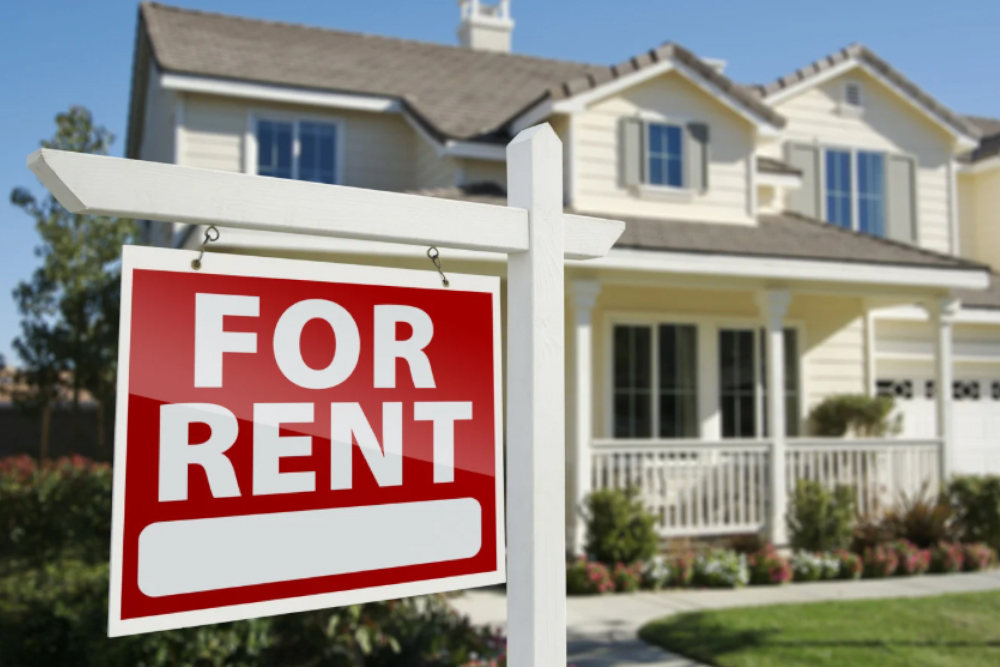
Vacancy looks simple on paper. A unit sits empty. Rent is not coming in. Then a new tenant moves in and things resume. It feels like a pause, not a loss.
But vacancy is rarely just a pause. In Las Vegas, where rental demand moves in waves and timing matters more than most owners expect, vacancy tends to carry costs that are easy to overlook until they start stacking up.
And by the time they’re visible, the damage is usually already done.
Vacancy Is Not Just Lost Rent
The most obvious cost of vacancy is missed income. That part is easy to calculate.
What is less obvious is everything happening around it.
- Utilities often stay on.
- Maintenance gets accelerated.
- Marketing costs increase.
- Time gets pulled into showings, communication, and follow-ups.
And then there is the less measurable part. The property is not performing.
This is why understanding the true cost of vacancy in Las Vegas rentals requires looking beyond the rent line itself.
Time Is Where the Loss Actually Happens
A few extra days without a tenant might not seem significant. But vacancy rarely stays contained.
A week turns into two. Two turns into three. Then adjustments begin. Price reductions. Incentives. More urgency.
At that point, the conversation shifts from maximizing rent to simply filling the property.
This is where many owners start to see how vacancy connects to how hidden costs affect rental property profits, especially when turnover, repairs, and lost time begin to overlap.
The longer a property sits, the more decisions start to feel reactive instead of strategic.
Pricing Often Creates the Problem
Vacancy does not always come from lack of demand. Often, it comes from misalignment.
A property priced slightly above what tenants expect can quietly lose momentum. Fewer inquiries. Slower showings. Less urgency from applicants.
It does not feel like a pricing issue at first. It feels like timing.
But tenant behavior tends to reflect perception quickly. And that perception is shaped by pricing more than most owners realize.
This dynamic is closely tied to how rent pricing influences tenant decisions, where even small pricing differences can change how quickly a property moves.
Vacancy Affects Who Applies, Not Just When
When a listing sits longer, something subtle begins to happen.
The strongest applicants often move on first.
What remains is a smaller, less competitive pool. That does not mean poor tenants, but it does reduce options.
And fewer options tend to lead to compromises.
Lease terms get adjusted. Screening becomes more flexible. Decisions get rushed.
All of which can create problems later that feel unrelated to vacancy, even though they started there.
Turnover Multiplies the Cost
Vacancy is rarely a one-time event. It is often part of a cycle.
A tenant leaves. The unit sits. A new tenant moves in under less-than-ideal conditions. Then the cycle repeats sooner than expected.
Turnover brings its own set of costs. Cleaning. Repairs. Listing updates. Leasing time.
Stacked together, these cycles begin to impact rental vacancy loss in Las Vegas more than any single vacant period.
Consistency breaks down. And with it, predictable income.
Small Improvements Can Prevent Larger Gaps
Not every vacancy issue is pricing-related. Sometimes it comes down to how the property presents and functions.
Tenants notice details quickly.
- Air conditioning performance in summer
- Condition of appliances
- Layout usability
- General upkeep
These factors influence how fast a unit rents and how long tenants stay.
That is why many owners start to look more closely at which property upgrades increase rental value in Las Vegas, not just to raise rent, but to reduce friction.
A property that feels easy to live in tends to lease faster and retain tenants longer.
The Investment Perspective Changes Again

When vacancy is viewed as a minor inconvenience, pricing tends to lean aggressive. When vacancy is viewed as a recurring cost, strategy shifts.
Investors focused on stability begin to prioritize:
- Consistent occupancy
- Reliable tenant quality
- Steady lease renewals
This aligns with broader thinking around the pros and cons of investing in residential properties, where long-term performance depends on reducing volatility, not maximizing peaks.
In Las Vegas, where demand fluctuates, this mindset tends to outperform over time.
Property Managers Tend to See the Pattern First
Property managers often notice vacancy trends before they become obvious.
- They see how long listings sit.
- How pricing affects inquiry volume.
- How small adjustments change leasing speed.
More importantly, they see how these factors connect.
Vacancy is not just a marketing issue. It is tied to pricing, maintenance timing, tenant expectations, and lease structure.
Addressing it early often prevents larger performance issues later.
Vacancy Is Quiet, But Expensive
Vacancy rarely feels dramatic. There is no single moment where the loss becomes obvious. No clear signal that something has gone wrong. Instead, it accumulates.
A few days here. A few adjustments there. A slightly weaker lease. A shorter tenancy. Individually, each piece seems manageable. Together, they shape performance.
A Final Thought Before Dismissing “Just a Few Days”
It is easy to treat vacancy as temporary. And sometimes it is.
But in many cases, vacancy reflects a deeper misalignment between pricing, property condition, and tenant expectations.
In Las Vegas, where renters have options and timing matters, those gaps tend to show up quickly.
At Brady Realty Group, we look at vacancy as part of a larger system, not an isolated event. That perspective helps owners reduce downtime, improve tenant quality, and create income that stays consistent instead of unpredictable.
FAQs
What is the biggest cost of vacancy for landlords?
A: Lost rent is only part of it. Vacancy also increases turnover costs, marketing expenses, and operational inefficiencies.
How does pricing affect vacancy?
A: Overpricing reduces inquiries and delays leasing, often leading to longer vacancy periods.
Do vacant properties attract different tenants?
A: Yes. Longer vacancies can reduce the quality and quantity of applicants.
Can property upgrades reduce vacancy?
A: Yes. Functional upgrades often improve leasing speed and tenant retention.
Is vacancy always avoidable?
A: Not entirely, but strategic pricing and maintenance can significantly reduce downtime.